
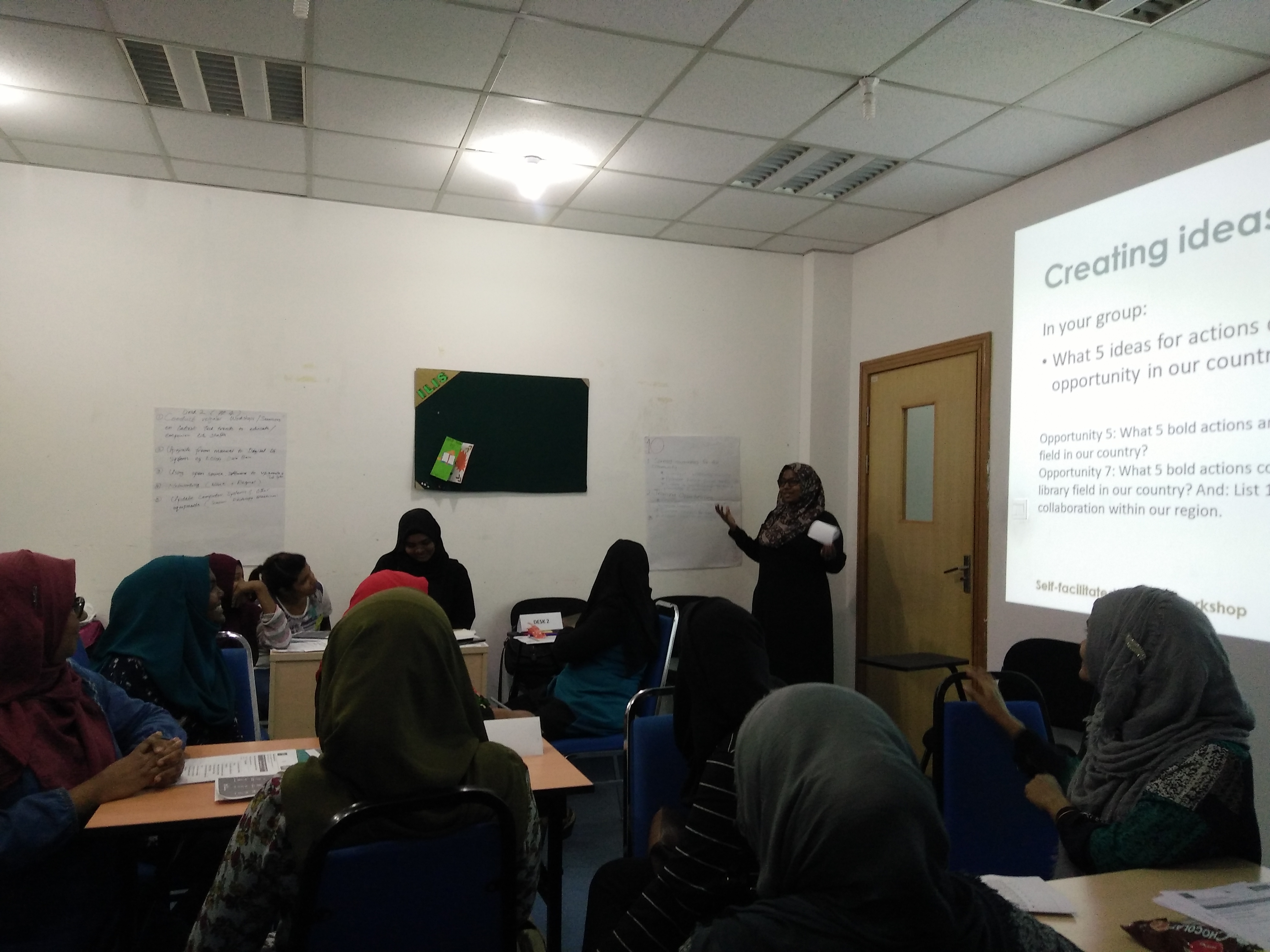
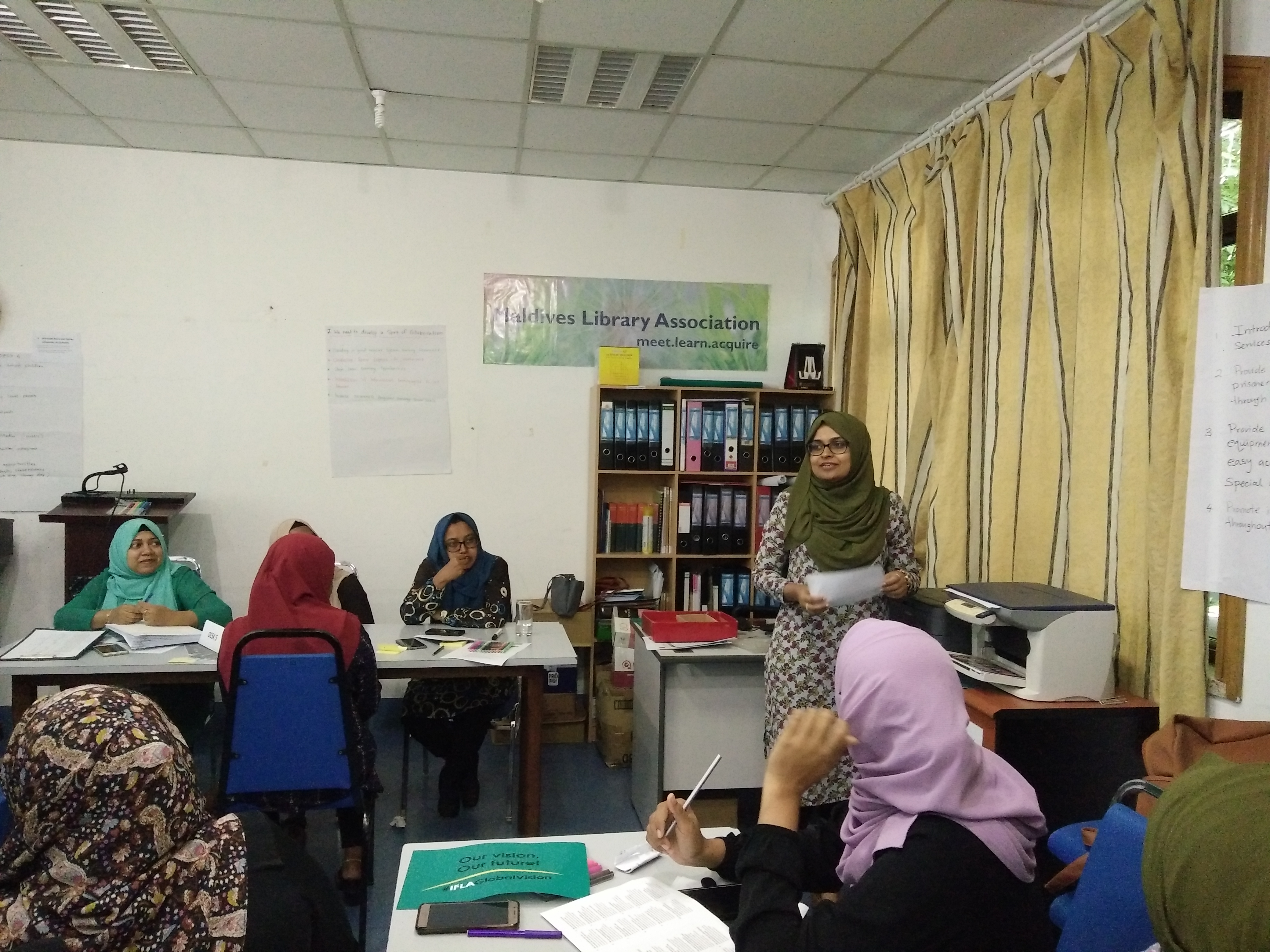
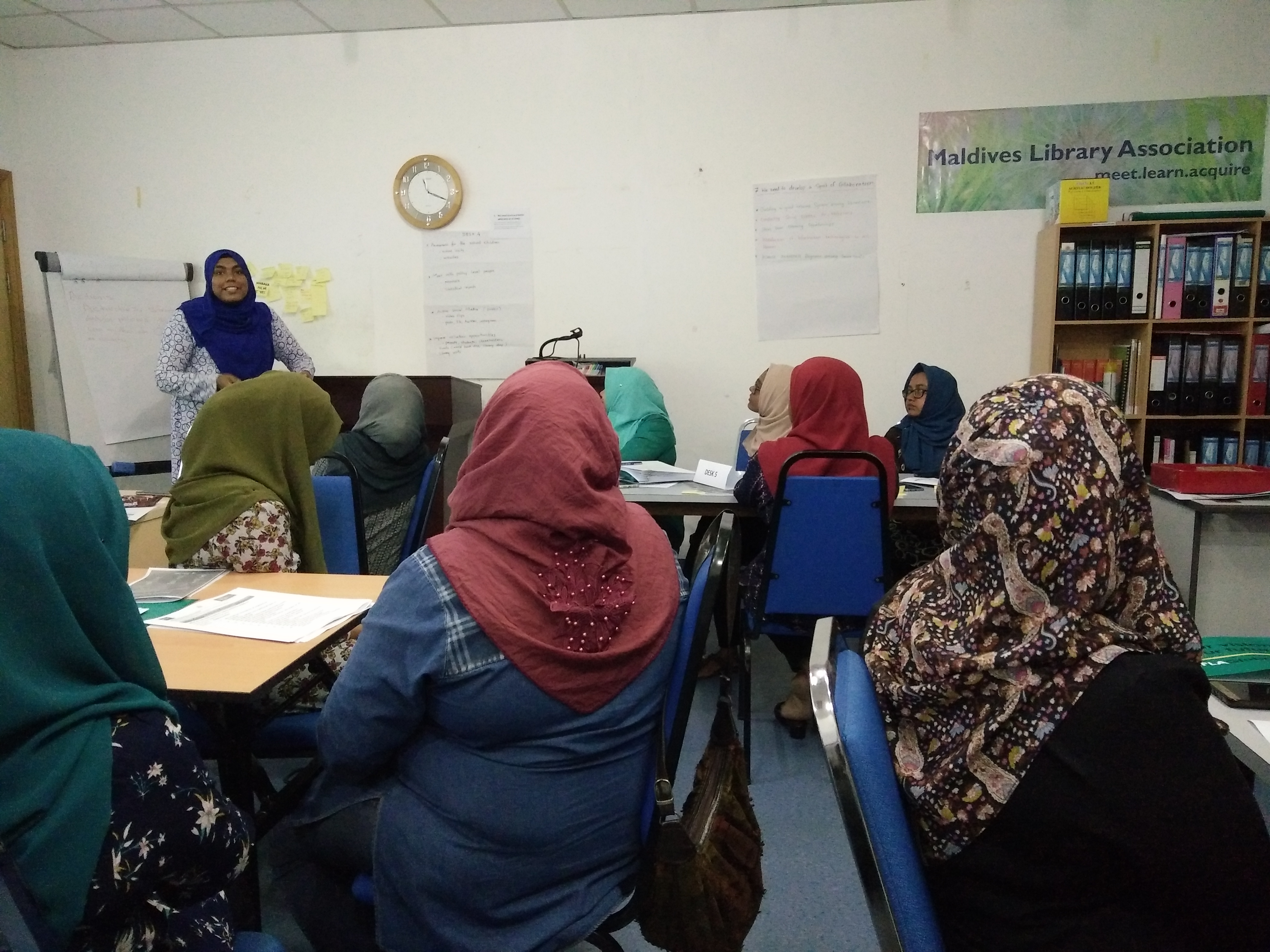
On 30 June 2018, in Male’, Maldives, 21 librarians participated in a conversation (#iflaGlobalVision) about how a united library field can tackle the challenges of the future. It is part of a global conversation initiated by International Federation of Library Associations and institutions (IFLA), currently in phase 2. Over the course of two years (2017-2018), IFLA attempts to involve as many librarians and others as possible in this global conversation.
The participants built on the results from phase 1 of the conversation to gather ideas for actions for IFLA.
To learn more about the global conversation visit https://www.ifla.org/globalvision.
As a precursor to the individual country meetings, regional meetings were conducted by IFLA in several locations. The Maldives was represented at the Asia-Oceania meeting held in Vietnam in May 2018. Follow this link to read more about the Vietnam meeting.
The Maldives country meeting was organised by the Maldives Library Association (MLA) and collaborated and hosted by the National Library of Maldives.
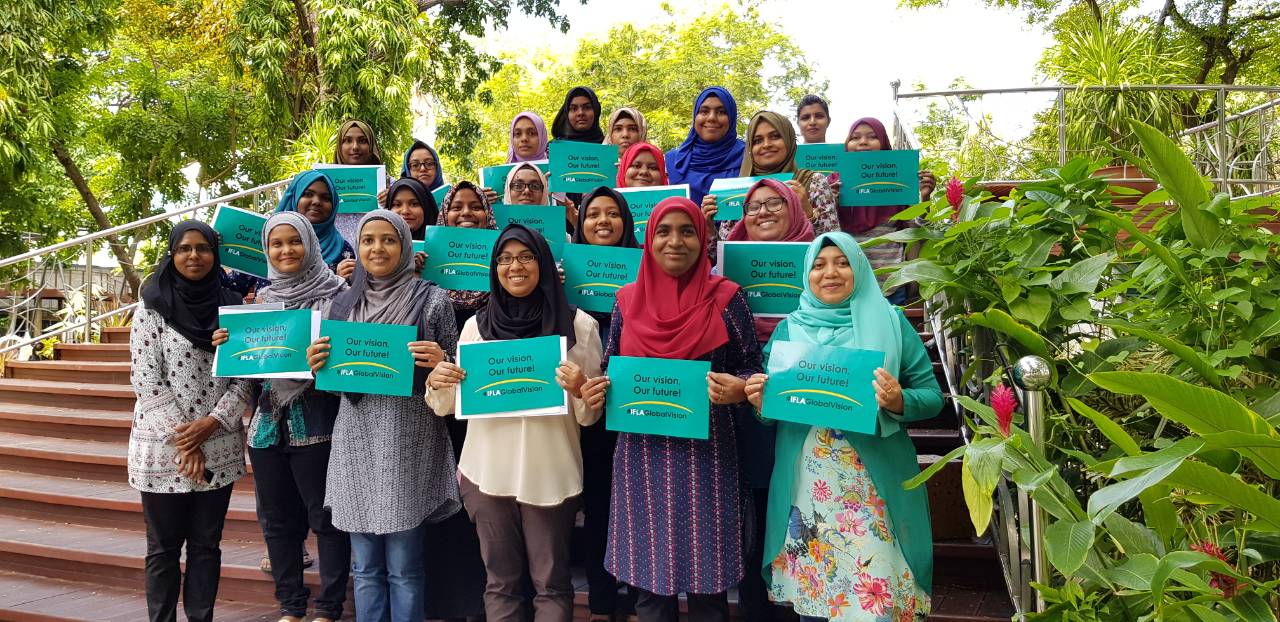
The meeting was facilitated by Aminath Riyaz and the participants comprised of librarians and library professionals from the:
- National Library of Maldives, which also operates as the only public library,
- The Maldives National University (the largest of the two universities in the country)
- Villa College (the most prominent private higher secondary and tertiary institution in the country)
- Centre for Higher Secondary Education (the only government higher secondary school)
- Hiriya School (a government school in Male’ city, Primary & Secondary)
- Aminiya School (a government school in Male’ city, Primary & Secondary)
- Maafushi School (a government school in an outer island, Primary, Secondary and Higher Secondary)
- Thaajudheen School (a government school in Male’ city, Primary & Secondary)
- Makunudhoo School (a government school in an outer island, Primary & Secondary – former staff)
Together all participants represented 229 years of library experience.
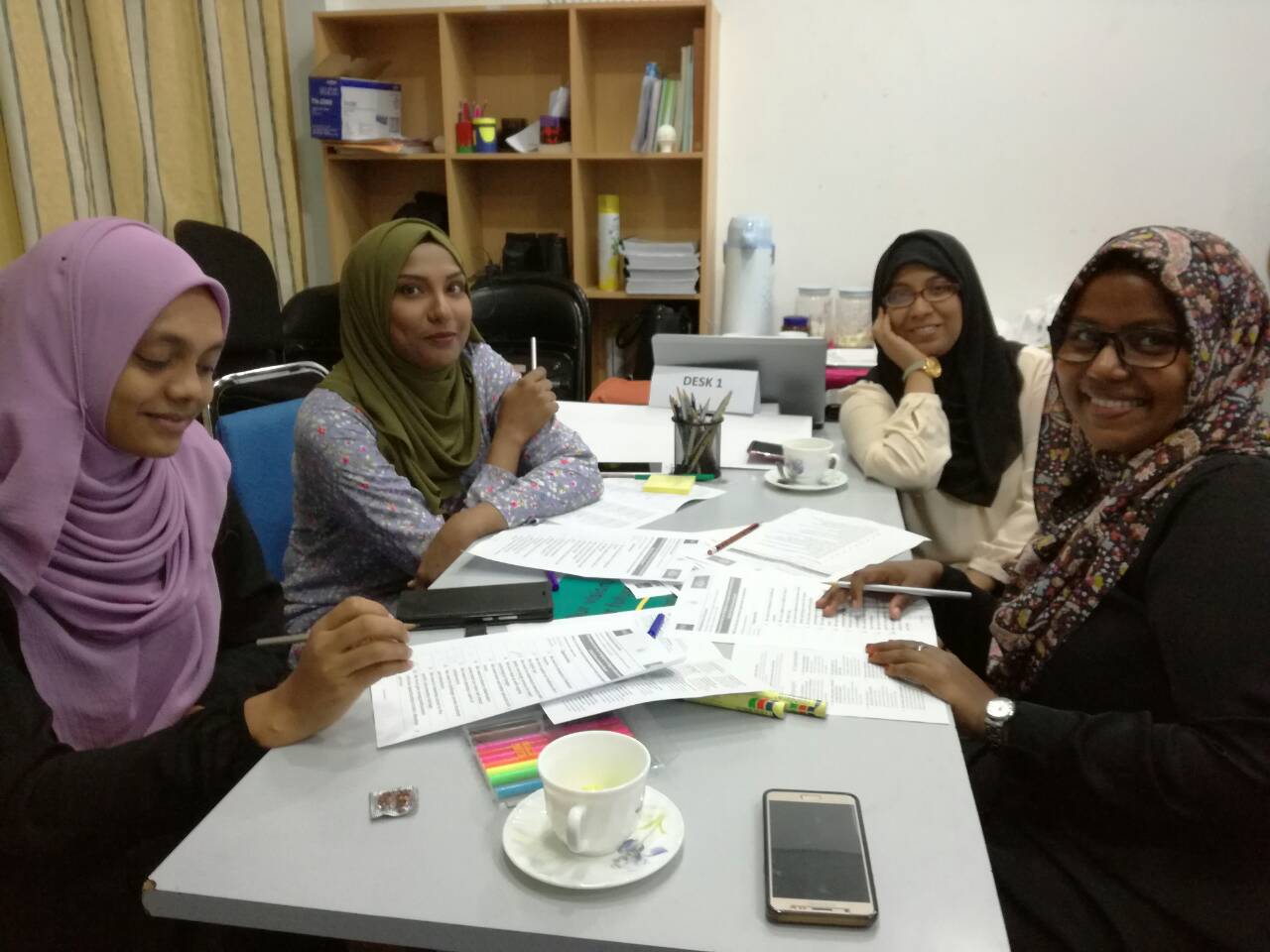
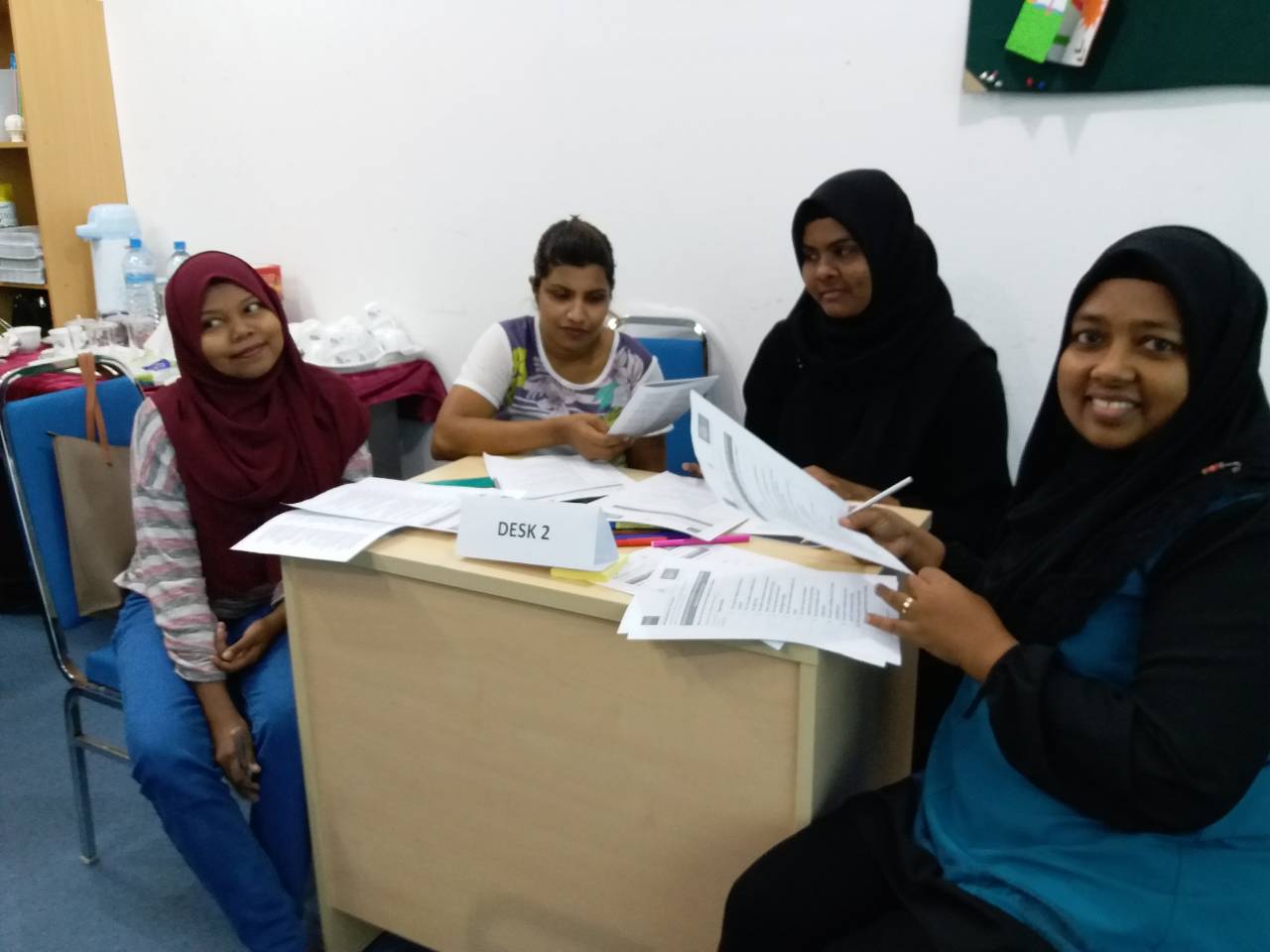
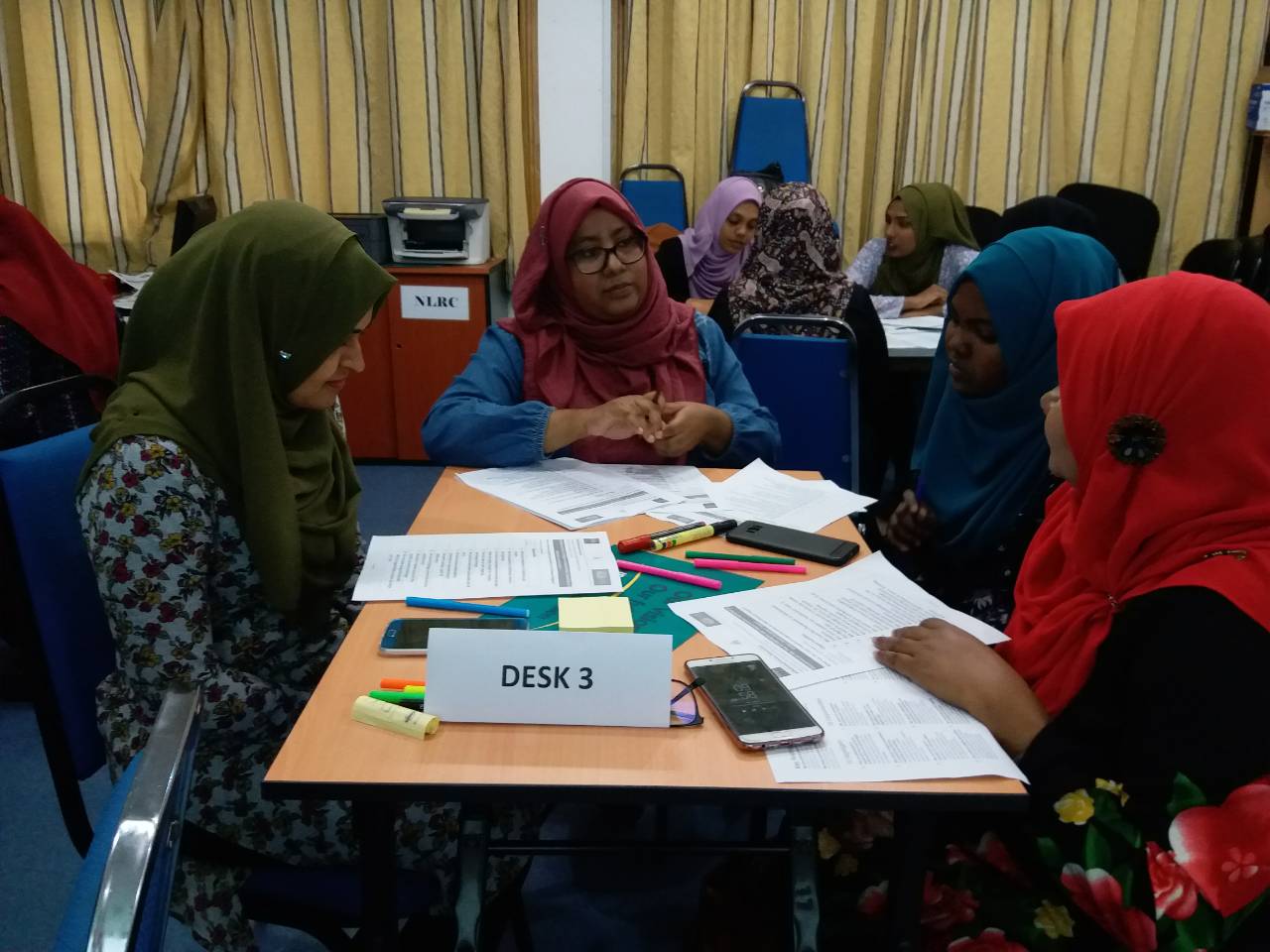

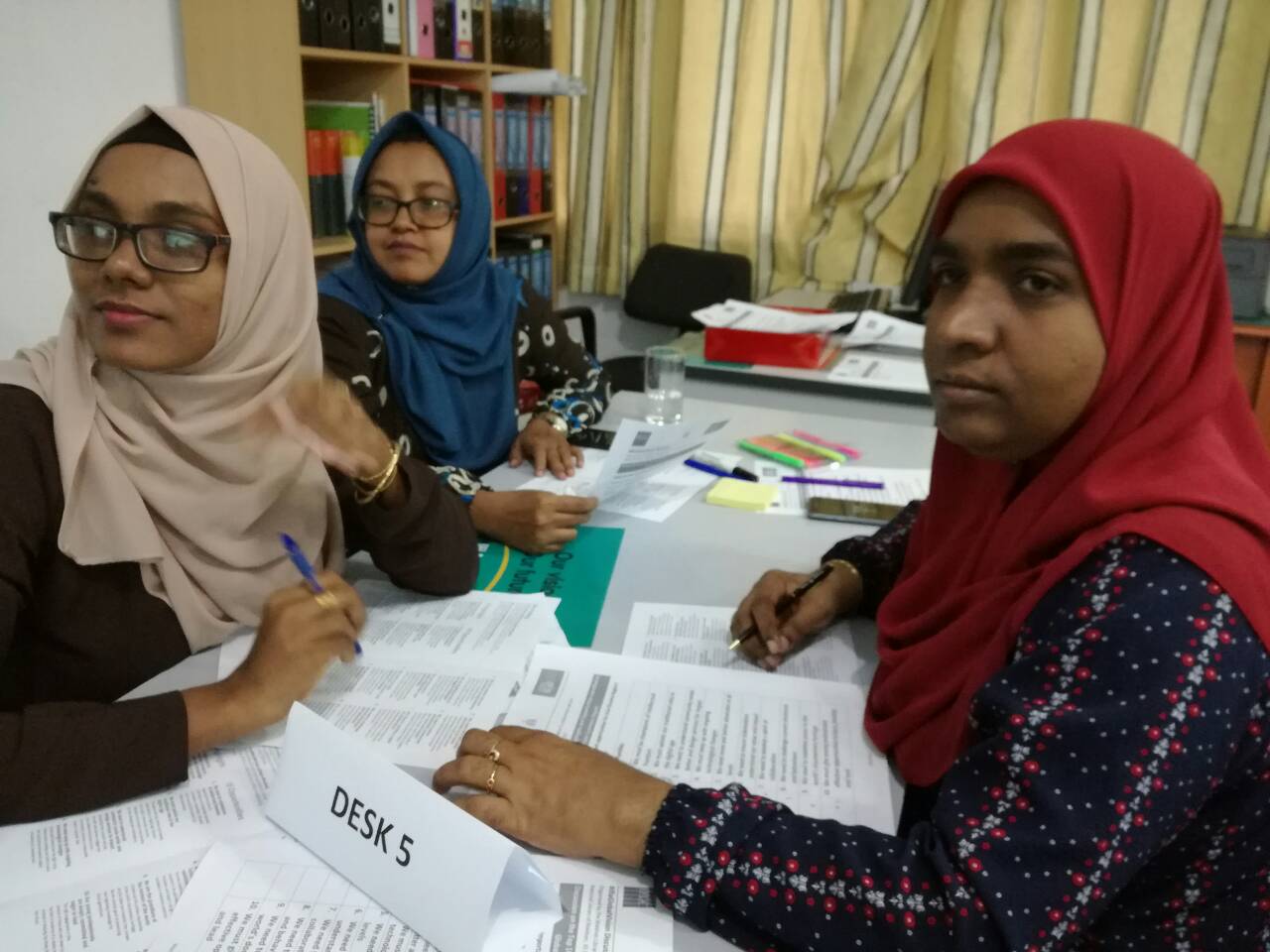
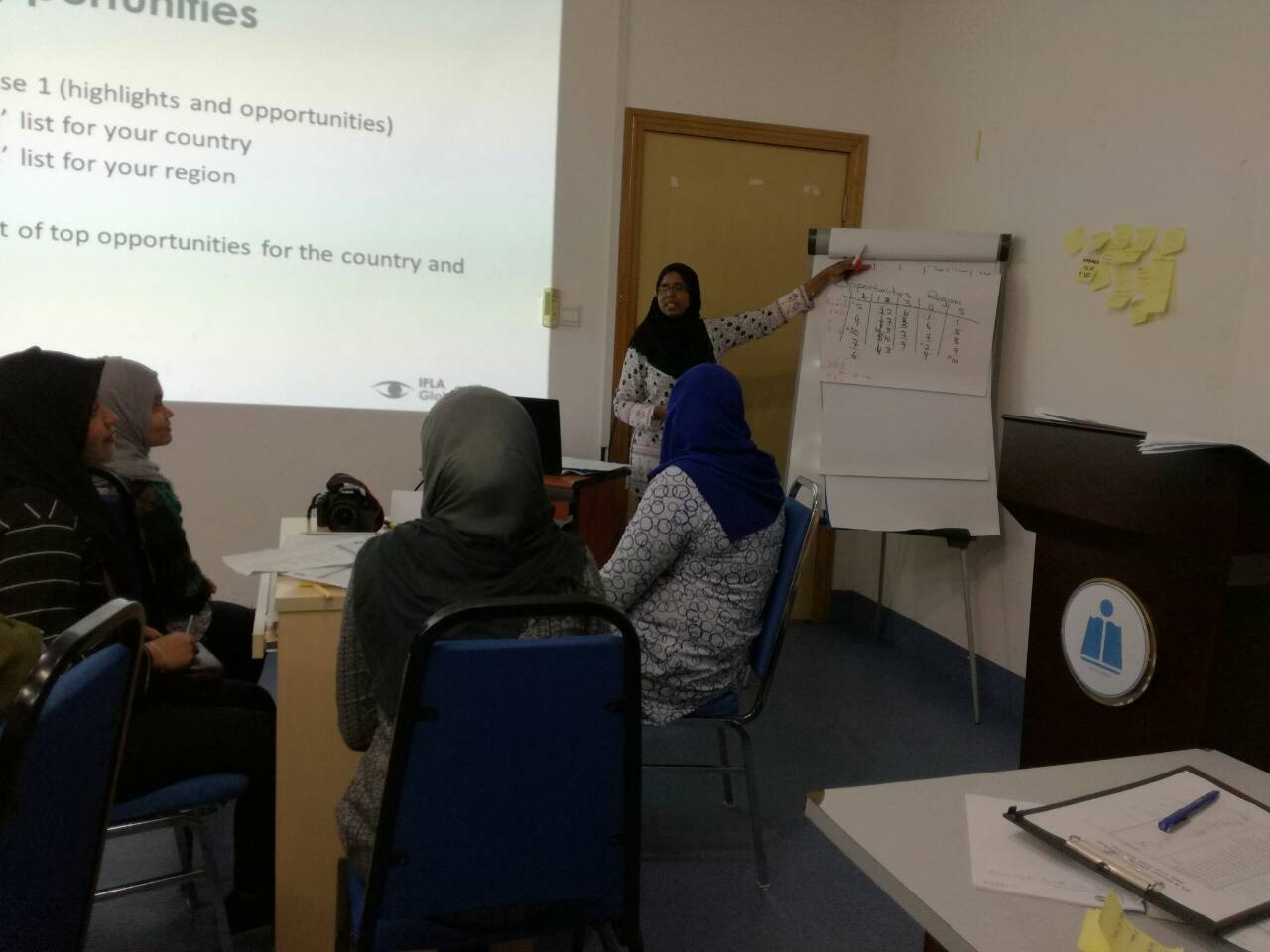
Opportunities for the country and region
In phase 1 of IFLA’s global vision discussion, ten opportunities have been discovered for the library field. These opportunities are global.
Regionally, nationally, and locally, there are differences in which opportunities take priority. In the meeting, the participants debated the top opportunities for the Maldives and Asia-Oceania region.
Priorities for the Maldives
From the IFLA identified 10 priorities worldwide, the participants identified the following as the top-3 priorities for the Maldives.
| Opportunity Number (in priority order) |
Opportunity details | |
| · | 10 | We must give young professionals effective opportunities to learn, develop and lead The field’s capacity to develop and connect young library professionals has to keep up with the changing needs and allow them to become the leaders of the future. (#YoungProfessionals) |
| · | 4 | We must keep up with ongoing technological changes Ensuring all libraries have the right tools, infrastructure, funding, and skills to seize the opportunities provided by digital innovations is a pressing need. |
| · | 5 | We need more and better advocates at all levels Everyone in the field needs a deeper understanding of the need for advocacy to improve perceptions and ultimately achieve our goals. Every librarian an advocate! |
Opportunity 10: Provision of opportunities for young professions was ranked as the top priority by 4 of the 5 groups, rating it among their top-3. The explanation for the justification of selecting #YoungProfessionals as the top priority highlight the existing gap in access to professional education in LIS within the Maldives and also the limitations in accessibility to the limited opportunities given the geographic dispersion of the country.
Opportunity 4: Keeping up with technological changes was ranked as the top-3 priority by 3 of the 5 groups, all ranking it as their second priority. The main highlighted issues from the ensuing discussions were attributed to the slow speed of library automation and digitisation initiatives and the outdated physical existence of libraries.
Opportunity 3 and 5 were identified by 2 groups each within their 3 top priorities. Opportunity 3 (understanding community needs) was ranked as the third priority by both groups, while opportunity 5 (better advocacy) was ranked as the top priority by the groups who identified with it. The groups who ranked opportunity 3 were convinced by the other two groups’ explanation that Opportunity 5 was essential even to address Opportunity 3. Therefore, Opportunity 3 was ranked fourth for the whole group and included in the last activity (ideas for action) outlined later in this report.
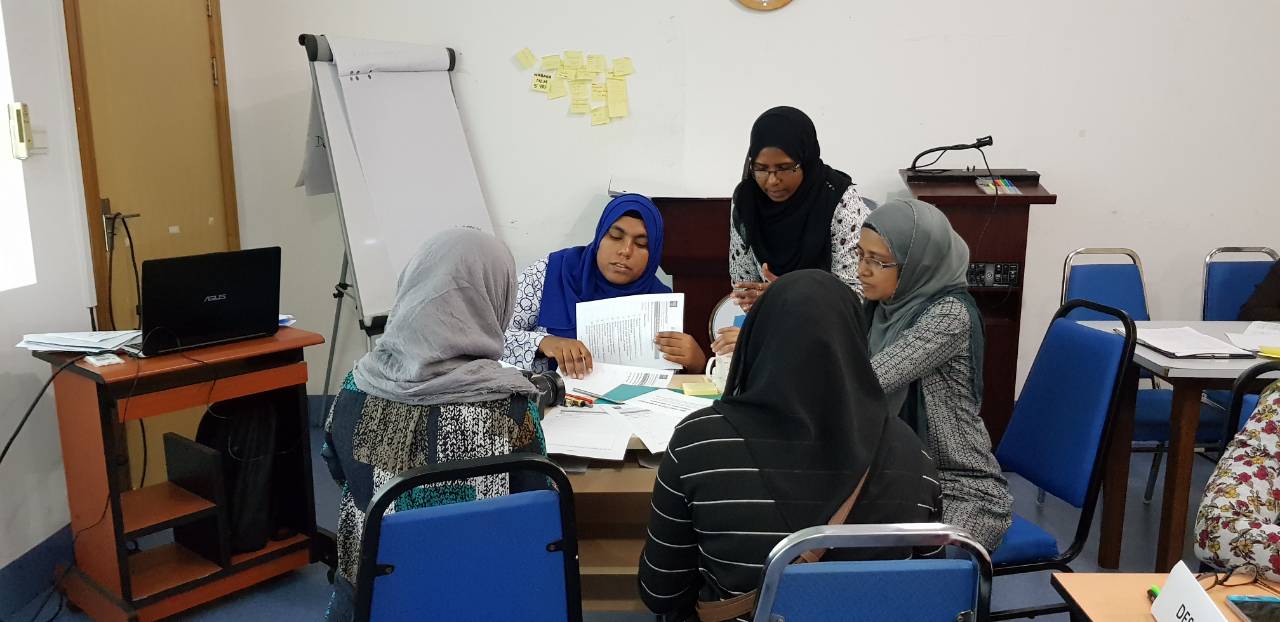
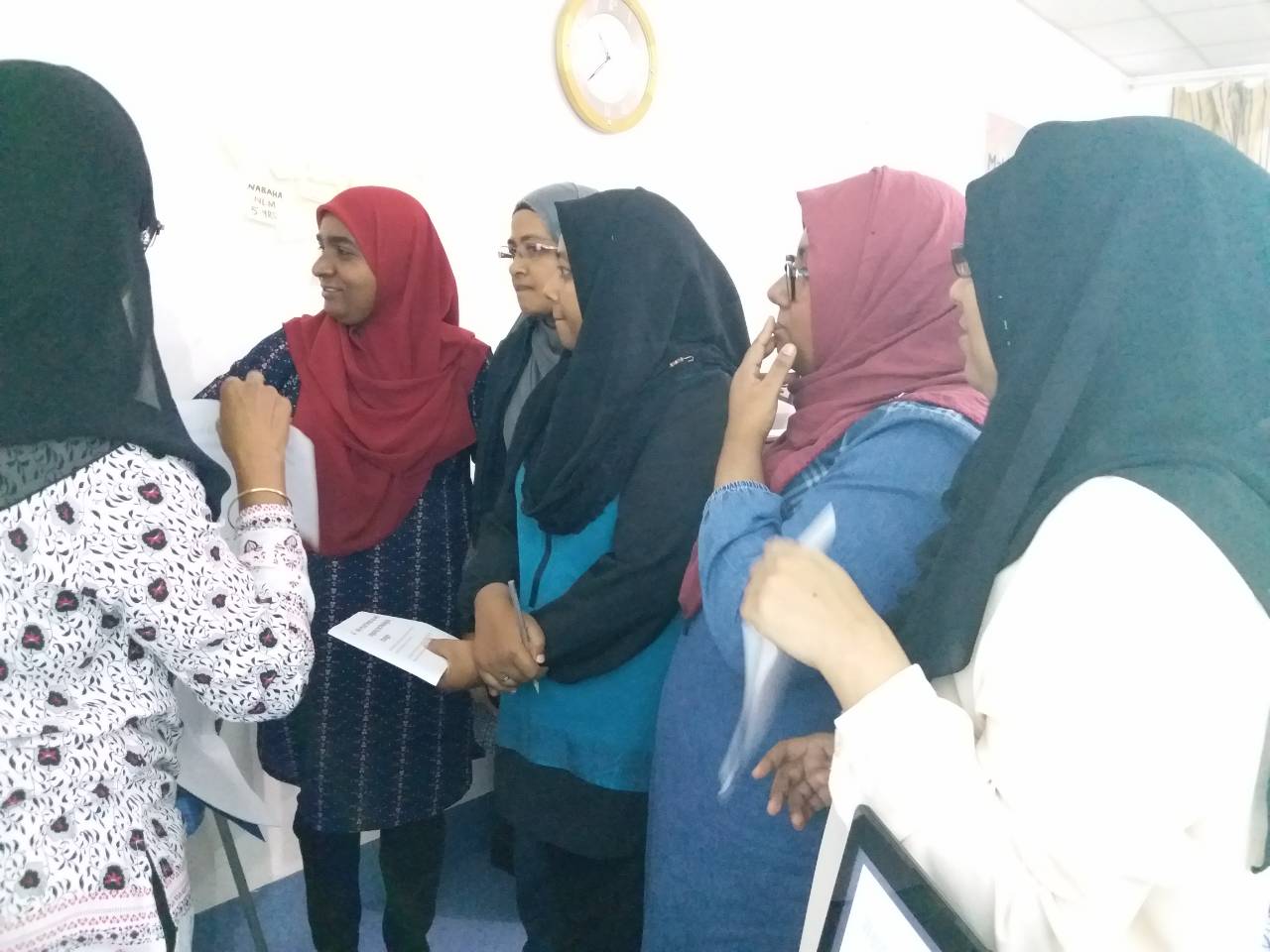
Priorities for the region
The participants identified the following top-5 among the opportunities for the Asia-Oceania region:
| Opportunity Number (in priority order) |
Opportunity details | |
| · | 7 | We need to develop a spirit of collaboration Understanding and addressing actual and perceived barriers to collaboration will help end a tendency to work in isolation, and realise the vision of a united library field. |
| · | 10 | We must give young professionals effective opportunities to learn, develop and lead The field’s capacity to develop and connect young library professionals has to keep up with the changing needs and allow them to become the leaders of the future. |
| · | 2 | We must update our traditional roles in the digital age To support learning, literacy and reading meaningfully in a digital age, libraries must adapt continuously. Services, collection and practices must develop to meet changing user expectations. |
| · | 1 | We must be champions of intellectual freedom Equal and free access to information and knowledge depends on freedom of expression. Libraries’ role in ensuring this needs to be better understood. |
| · | 5 | We must keep up with ongoing technological changes Ensuring all libraries have the right tools, infrastructure, funding, and skills to seize the opportunities provided by digital innovations is a pressing need. |


Ideas for action

To realise the identified opportunities for the Maldives, the participants focused on creating ideas for actions. The recommended actions for each of the top-3 opportunities:
- #10-young professionals,
- #4-technological changes,
- #3-community needs,
and the specially highlighted opportunities by IFLA:
- #5 (advocacy) and
- #7 (collaboration) are detailed below.
The opportunities are arranged in the order of priority agreed by the participants.
Ideas for action for opportunity 10: Give Young Professionals Effective Opportunities
Five actions that librarians could take to improve collaboration across the library field in the Maldives were identified as follows:
| 1. Spread awareness for the whole community about available courses in the library field. Promote the information through social media. Also, provide leadership skills training for young library staff so that they are better equipped to advocate for service improvements as well as recognition of the profession. |
| 2. Train at least 5 young professionals a year in library and information studies at Diploma level. Providing scholarship opportunities is essential. MLA to take a lead in facilitating this. |
| 3. Share experience and knowledge among librarians by creating a hub where everyone can contribute. This is important for the knowledge sharing of experience between young professionals and the veterans in the field. |
| 4. Provide opportunities for higher studies in LIS, so as to encourage young people to consider it a worthy profession. (At present, the Maldives does not have the avenue for a qualification higher than Diploma in LIS). MLA should take a lead role in advocating for the introduction of an Undergraduate Degree at the National University. |
| 5. Ensure equal access to LIS education facilities, to the rural islands the same way it is to the Male’ city. More online distance-mode programs are required to reach the outer islands where the library staff can access training without having to make long/expensive commutes to attend classes held in Male’ city. |
Comments:
| There was some discussion about how negatively LIS is perceived by the Maldivian community as a worthy profession, and consequently, school leavers from secondary and higher-secondary schools prioritise other disciplines before considering work within the LIS sector. Additionally, the current employment structure hires school leavers with no LIS qualification for “librarian” designations. Therefore, the Maldives library sector is made up of mostly unqualified library staff. Most staff learn through work experience and attends ad-hoc short training sessions organised by the National Library and/or the Maldives Library Association. Creating training/education opportunities for these workers is agreeably essential. Additional comments were highlighted that there is a lack/shortage of training providers in LIS. |
Ideas for action for opportunity 4: Keep up with technological changes
According to the participants, the top-5 ideas for action they could consider to realise this opportunity in the Maldives are:
| 1. Conduct regular workshops/seminars on the latest technological trends, to educate/empower library staff. This is very important because most libraries are staffed with unqualified librarians who have had no exposure to how libraries in other countries embrace technological advances. |
| 2. Upgrade from manual to digital library systems, and from print resources to digital resources. Greater awareness needs to be created at the policy-making level to embrace this transformation. |
| 3. Use open source software to automate libraries. Investing in expensive corporate software is not feasible for small libraries. There is a greater need to popularise and speed-up the current library automation project using Koha open source software. |
| 4. The country’s library resources should be able to viewed or checked online. There is a great need for a union catalogue of all networked libraries. The library network needs further strengthening. |
| 5. Upgrade libraries, computers and computer networks to enable efficient resource sharing. Libraries should have access to scanners and photocopy machines. |
Comments:
| Most libraries in the Maldives still uses manual ledgers as their library catalogue, and at best uses an excel spreadsheet. Lack of know-how and lack of technological resources were highlighted as constraints in realizing the opportunities offered through the advances in technology. |
Ideas for action for opportunity 3: Understand Community Needs
The top-5 ideas for action the participants identified as important considerations to realize this opportunity in the Maldives are:
| 1. Design library services targeted to differently-abled people. Currently, public spaces in the Maldives have limitations in physical access. |
| 2. Provide books for the visually challenged community in the Maldives. There is a chronic shortage of reading material for the blind. Even though the blind is highlighted, it is important to provide special equipment/devices in the library to facilitate access to the resources by a diverse range of clients |
| 3. Introduce outreach library services to cater for the elderly population and also prisoners. Most elderly have never used a library and prisoners used to have access to a prison library. The best way to reach them would be through the introduction of mobile libraries. Prior to this, carry out a needs analysis survey to assess the situation and to understand how best to serve their needs. |
| 4. Promote information literacy throughout the community. One such requirement is for libraries to provide web assessment sessions to all age group. Maldivians generally rely on the information sought from the internet. |
| 5. Provide group study areas and/or discussion rooms. At present, libraries in the Maldives still enforces complete silence within the library and owing to space limitations discussion rooms are almost non-existent. |
Comments:
| The group conversation was highly concentrated around the special needs of library clients. This is reflective of the current situation and also because dialogue on differently-abled and special needs group is a priority area in the current government. In addition to this, an important observation based on these conversations is how much work is required within the sector to cater to the current technologically attuned client-base. It was also highlighted that current information literacy is mostly targeted at school children, but not much focus is given to public awareness. |
Ideas for action for opportunity 5: More and better advocates at all levels
According to the participants, the top-5 ideas for action they could consider to realise this opportunity in the Maldives are:
| 1. Creating awareness for the school children, school visits & activities. It is important to ensure young children become library champions so that they can grow up to be citizens who advocate for libraries. |
| 2. Meet with policy level people to ensure they are made aware of importance of libraries and how our services impact in the betterment of the society. Publicising statistical reports from library services are essential to advocate for the policy makers to understand their role too in the provision of library services. |
| 3. Active social media to engage with the public (video clips, posts, FB, Twitter, Instagram) to elevate the library profile. |
| 4. Improve volunteer opportunities for parents, students, stakeholders to engage with library services so that they in turn can become advocates. |
| 5. Create special events where library and information services can be brought to the forefront of news and discussions (world book day, library day, etc) |
Comments:
| It was highlighted that advocacy to policy makers is very important to ensure budgetary allocations increase. It was also highlighted that advocacy should be enforced at all levels within library staff too and should not be just left for senior officials. Also, highlighted was the importance of having a positive mind-set and to be proud of what we do. Advocacy is not just limited to within the library professionals, but also need to empower every citizen to be an advocate for libraries. |
Ideas for action for opportunity 7: Develop a Spirit of Collaboration
Five bold actions that are needed to develop a spirit of collaboration for the library field in the Maldives were identified as follows:
| 1. Strengthen the library network in the Maldives. The existing Viber group of “Maldivian librarians” (with 164 participants) is a strong network that brings together library staff from across the country. Transforming this group to a platform where meaningful discussion is carried out for the betterment of the library profession would be beneficial. Introduce moderated discussions on a regular basis. |
| 2. Conduct social events for librarians. Hold regular meetings to discuss about contemporary issues. Currently there is only a very limited number of opportunities and all are located within the Male’ city. |
| 3. Offer short-term training opportunities to bring together librarians from different libraries. This will create opportunities for collaboration and a greater understanding of challenges and strategies to overcome them. |
| 4. Information technology can be better utilised for better networking to offer a unified service. The creation of union catalogue will bring together librarians from across the country. |
| 5. Increase awareness programs for policy makers. Currently there is a shortage of convincing power of why libraries are important. |
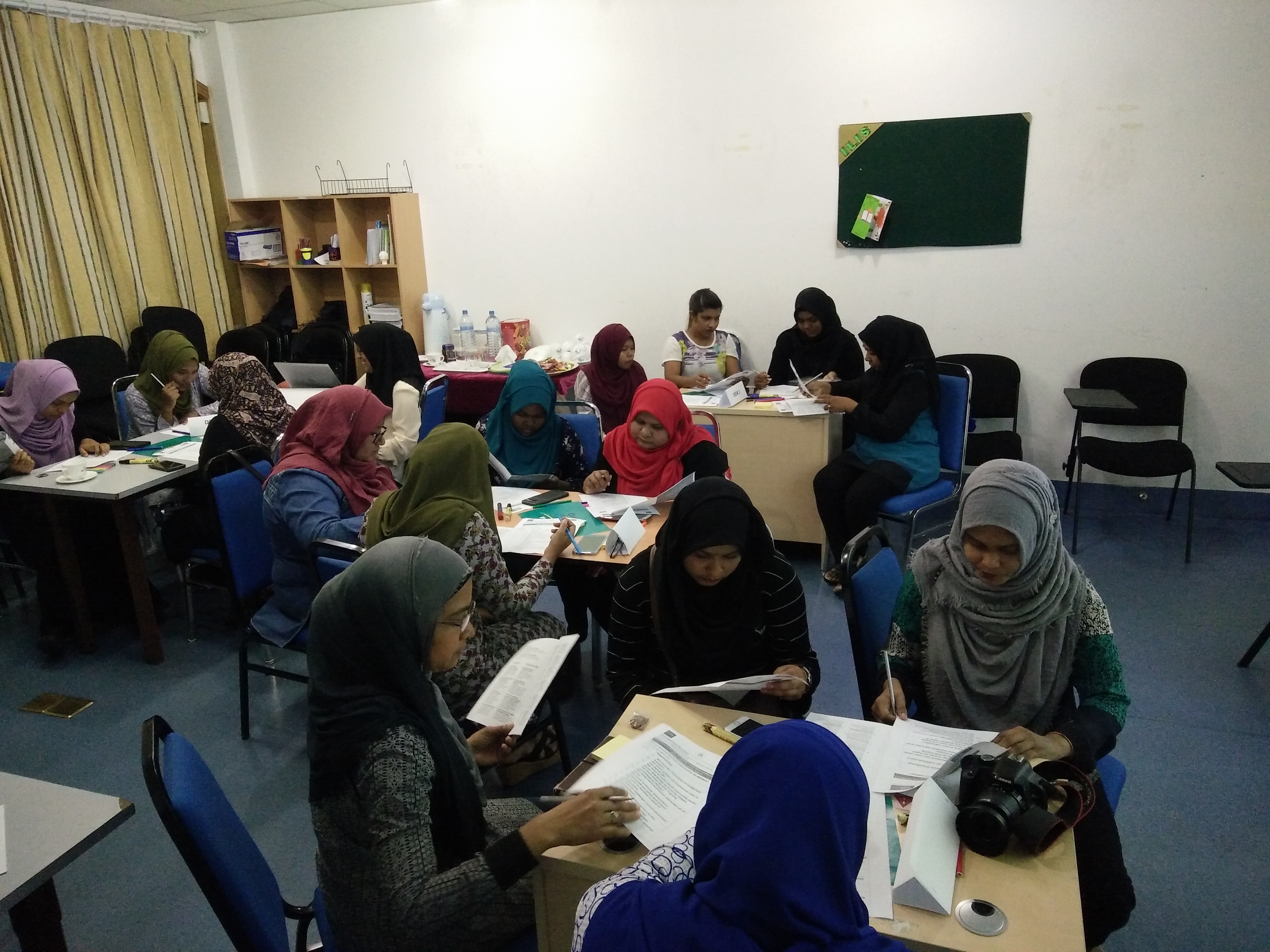
The meeting was quite intensive with active participation from the participating library enthusiasts.
 Maldives Library Association